
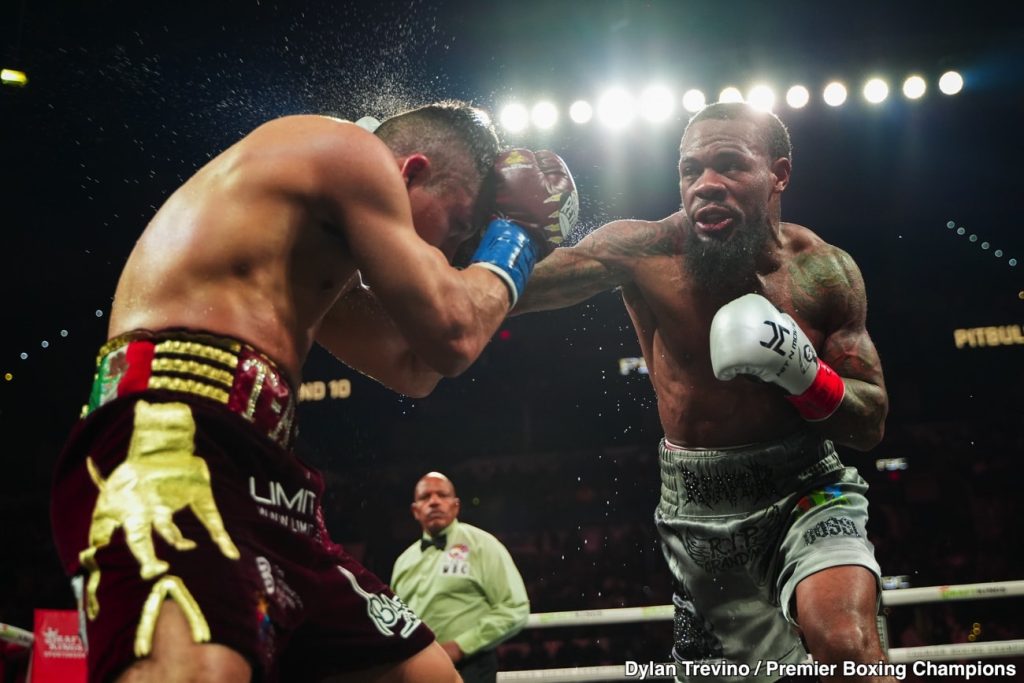
Isaac “Pitbull” Cruz retained his interim WBC super-lightweight title after a highly controversial majority draw against Lamont Roach Jr. in San Antonio—a result that has ignited fierce debate across the boxing world and amplified calls for an immediate rematch.
The Official Result
The bout, held at the Frost Bank Center in San Antonio, Texas, concluded with judges’ scores of 115-111 for Cruz and two cards of 113-113, resulting in a majority draw. This allows Cruz to keep his interim WBC belt, but the verdict was met with visible frustration from Roach, who believed he had clearly done enough to win on points.
How the Fight Unfolded
Early Dominance by Cruz
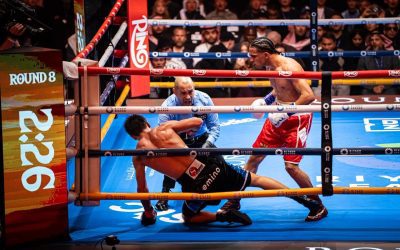
Cruz started fast, imposing his trademark pressure and power. In the third round, he scored a significant knockdown with a sharp left hook—the first time Roach had been put on the canvas in his professional career—creating an early gap on the scorecards.
Roach’s Adjustments
Roach gradually found his rhythm, using timing, jab control, and sharp counters to disrupt Cruz’s aggression. From the middle rounds onward, he consistently caught Cruz coming in and won exchanges at mid-range, clawing back much of the early deficit.
Key Turning Point: The Point Deduction
The fight’s momentum shifted in round seven, when the referee deducted a point from Cruz for a foul to the kidney/lower back area. This penalty effectively neutralized the advantage of Cruz’s earlier knockdown and became a central controversy post-fight, with Cruz insisting the official “took the fight” from him.
By the Numbers: Punch Statistics
The CompuBox data painted a favorable picture for Roach:
- Total punches landed: Roach 191 | Cruz 159
- Overall accuracy: Roach was more precise
- Jab output and power shots: Roach outperformed Cruz in both categories
Many analysts pointed to these statistics as evidence that Roach had done enough to deserve the decision.
Judges’ Scorecards & Public Reaction
The final tallies—115-111 Cruz, 113-113, 113-113—crystallized the dispute. Despite Roach’s statistical edge and strong second half, he did not receive a single winning card, leading to widespread criticism from fans and media.
On social media and boxing platforms, opinions polarized:
- Cruz supporters highlighted his knockdown, aggression, and late-round rallies.
- Roach supporters emphasized his cleaner work, higher output, and composure, arguing he was “robbed” of a career-defining win.
Roach’s Difficult Year Continues
This majority draw marks the second time in 2025 that Lamont Roach Jr. has left a marquee fight feeling denied by the scorecards, following a controversial draw against Gervonta “Tank” Davis earlier this year. Having moved up to 140 pounds (relinquishing his WBA super featherweight title to do so), Roach again finds himself without official recognition despite a strong performance.
Cruz: Champion Under Scrutiny
For Isaac Cruz, the outcome preserves his interim WBC status and his marketability in the super-lightweight division. However, the controversy adds a layer of scrutiny. Cruz has demanded a rematch but insists it must be overseen by a different referee.
The Big Question: Did Roach Deserve the Win?
The core debate boils down to whether Roach should have been awarded the decision:
- The case for Roach: Edge in punches landed, ring generalship, and neutralizing Cruz’s pressure after the knockdown.
- The case for Cruz: The knockdown, eye-catching power punches, and late-round aggression that often sways judges.
A sizable group of observers, while acknowledging a competitive fight, see the majority draw as an unsatisfying outcome that all but guarantees divided opinions in a rematch.
A Draw That Demands a Sequel
Cruz vs. Roach ends not with closure but with a cliffhanger. The champion keeps his belt, the challenger strengthens his reputation, and judging standards again become the story.
From sporting, commercial, and narrative perspectives, a rematch now appears not just logical but necessary. Until then, this controversial draw will remain one of the most debated boxing stories of the year—encapsulating the drama and frustration that make elite prizefighting both compelling and contested.