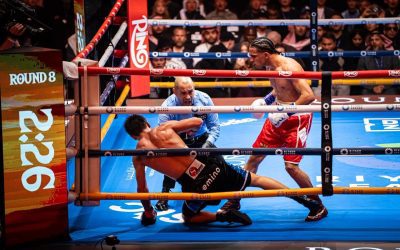

In Monte Carlo, Shabaz Masoud captured the vacant European super-bantamweight title by defeating Liverpool’s Peter McGrail via unanimous decision. The judges scored the fight 116-111, 115-112 and 114-113, reflecting both Masoud’s clear edge in key phases and the competitiveness of a bout that showcased two of Britain’s most talented fighters.
McGrail started well, using his amateur pedigree, sharp jab and movement to dictate the early tempo and make Masoud work to find his distance. For several rounds, it looked as if McGrail’s rhythm and timing might be enough to build a decisive lead, forcing Masoud to adjust both tactically and mentally.
From the middle rounds onward, Masoud began to settle, reading McGrail’s patterns and finding more success with his own counters and combinations. As the fight progressed, he increasingly took the center of the ring, closing the gap and landing the cleaner, more eye-catching shots that would later be reflected in the judges’ tallies and in many expert predictions ahead of a possible world title run.
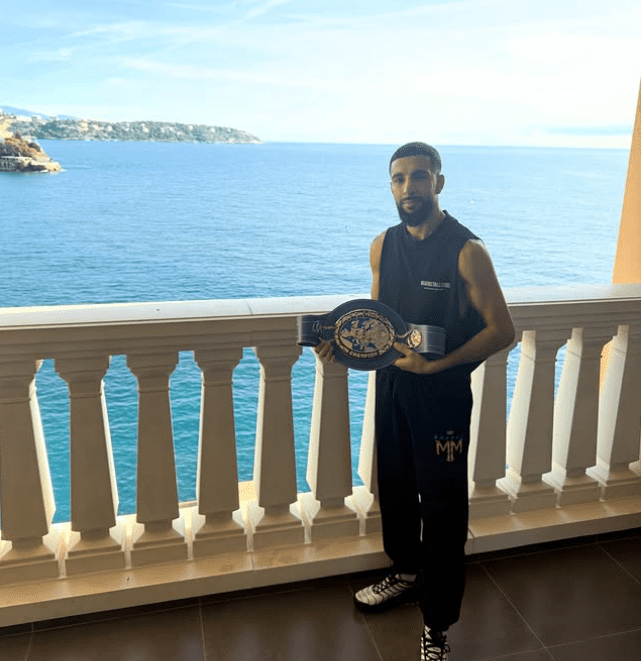
Scorecards, stakes and context
The three official scorecards – 116-111, 115-112 and 114-113 – underline how finely balanced many of the rounds were, even though Masoud was a deserved winner in the eyes of most observers. Small tactical shifts, effective counters and strong finishing stretches in key rounds ultimately made the difference for the Stoke fighter on such narrow margins.
The European belt adds to Masoud’s growing résumé after his previous success as IBO super-bantamweight champion and as WBA intercontinental titleholder at 122 lbs. For McGrail, who entered with momentum and high expectations following his standout amateur career and early professional run, the defeat is a setback but also proof that he can compete at the highest continental level, keeping his name relevant in international news and broadcast discussions.
Return from injury and long lay-off
This victory came after a difficult period of inactivity for Masoud. The fight with McGrail had originally been scheduled for June, but an injury forced Masoud out and led to a 13‑month lay‑off from the ring before the two finally met in Monaco.
Coming back from injury and such a long gap, Masoud’s ability to adapt mid-fight and close strong has been highlighted by many analysts as evidence of his maturity and ring IQ. That composure under pressure strengthens his case as a serious contender not only at European level but also in future world-title conversations.
Future plans and world title ambitions
After the win, Masoud made it clear that his ambitions now point firmly towards a world title opportunity. He openly acknowledged that making the super-bantamweight limit is becoming increasingly difficult, and suggested he is willing to move up in weight if that is what it takes to secure a major championship shot.
One of the names Masoud mentioned is Nick Ball, the British world champion in the division above, whom he views as an ideal dance partner for a high-profile clash. That sort of domestic world-title showdown would carry strong commercial appeal and instantly feature in many betting previews and predictions as one of the most intriguing UK matchups in the lower weight classes.
Masoud’s triumph reshapes the European picture at super-bantamweight, placing him firmly at the top of the continental hierarchy. His unbeaten record and ability to come through tough, closely contested fights enhance his value for promoters and broadcasters looking for fresh, high-skill main events.
For the wider division, the result adds another name to an already crowded group of contenders pressing for world honors. Whether he chooses to defend the European belt, chase unification-type fights at continental level or go straight into a world-title challenge, Masoud has positioned himself as a fighter whose next move will be closely followed across European boxing media and international news outlets.